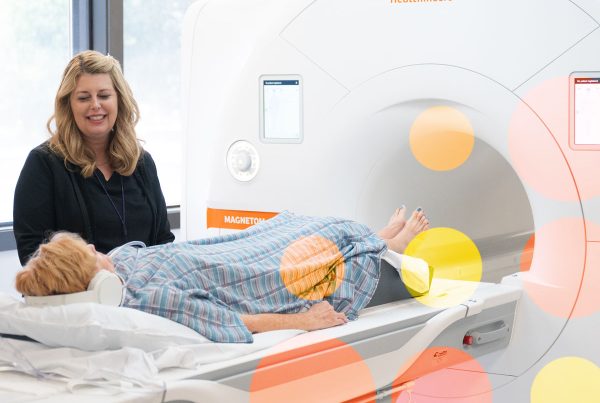
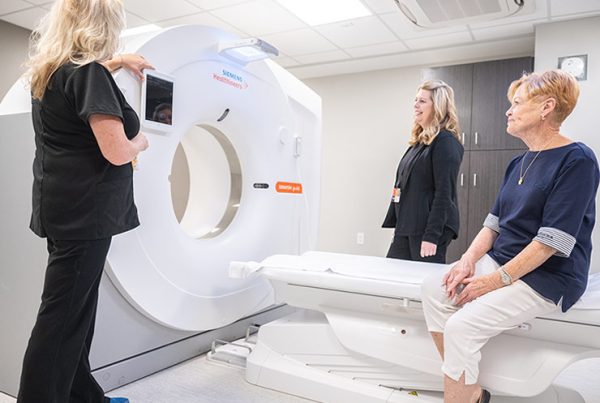
Medical imaging anxiety, sometimes called “scanxiety,” is a common response to MRI and CT scans, driven by fear of enclosed spaces, uncertainty about results, loud equipment, and cost concerns. The most effective way to reduce imaging anxiety is to choose a facility that combines fast scheduling, transparent pricing, clear communication, and a calm, patient-centered environment.
Independent imaging centers like Lumina Imaging & Diagnostics in Northeast Ohio are specifically designed to address these stressors with same-day or next-day appointments, upfront pricing, and results within 24 hours.
Finding Comfort in Quality Care
Medical imaging can trigger anxiety in even the most composed individuals. This phenomenon, often called “scanxiety,” is particularly common among patients requiring regular scans or those awaiting diagnostic results that could significantly impact their health journey. Whether it’s your first MRI or a routine CT scan, these feelings of nervousness are completely normal. The key to a better experience lies not just in the procedure itself, but in choosing a facility that understands and addresses these common concerns.
At Lumina Imaging & Diagnostics, we believe in delivering a patient-first experience. Below we’ll discuss some common causes for medical imaging anxiety and how our operations aim at alleviating them.
Explore Further — Understanding MRI and CT Costs in a Health Plan
Understanding Common Medical Imaging Anxieties
For many patients, anxiety begins the moment imaging is recommended by their doctor. Common concerns include fear of confined spaces, uncertainty about the procedure, worry about radiation exposure, and apprehension about costs. The wait time for both appointments and results can compound these stresses, potentially leading some patients to delay necessary imaging.
Physical discomfort presents another layer of concern. The thought of lying still for extended periods, managing breathing instructions, or dealing with loud scanning noises can create additional stress. These anxieties are valid — and addressable with the right approach and environment.
Dispelling Myths — Debunking Common MRI Misconceptions
The Impact of Facility Choice on Medical Imaging Anxiety
Where you choose to have your imaging done significantly affects your experience. Traditional hospital settings, while capable, often come with added stressors: complex parking situations, confusing building layouts, long wait times, and an impersonal atmosphere. These factors can intensify existing anxieties before the procedure even begins.
Independent imaging centers offer an alternative approach. With focused services and patient-centered care, these facilities can create a more comfortable, less clinical environment. However, not all imaging centers are created equal — the right facility should combine comfort with clinical excellence.
The Lumina Approach to Patient Comfort
At Lumina, we’ve designed every aspect of our service to reduce patient anxiety:
Quick Access
- Same or next-day appointments eliminate lengthy waiting periods
- Results within 24 hours reduce post-procedure anxiety
- Mobile check-in minimizes time spent in waiting rooms
Clear Communication
- Upfront pricing eliminates financial uncertainty
- Detailed procedure explanations from experienced technologists
- Regular updates throughout the process
Comfortable Environment
- Convenient neighborhood locations
- Free, easy parking
- Modern, welcoming facilities
Professional Expertise
- Hospital-grade technology ensures optimal image quality
- Experienced technologists trained in patient comfort
- Efficient procedures minimizing time in the scanner
Preparing for Your Imaging Experience
Knowledge can help reduce medical imaging anxiety. Before your appointment, remember that you can always:
- Ask questions about the procedure
- Request detailed cost information
- Learn about the specific technology being used
- Get clarity about the result delivery timeline
When Anxiety Goes Beyond Preparation
For some patients, anxiety around medical imaging goes beyond nervousness and rises to a level that can make completing a scan feel genuinely difficult. Claustrophobia, past trauma, or severe generalized anxiety can all interfere with a patient’s ability to remain still long enough for a successful scan. If you find yourself in this situation, the most important step is to contact your referring physician before your appointment.
Your doctor can discuss options that may include mild sedation or anti-anxiety medication prescribed specifically for the procedure. These are common, well-established accommodations, and there is no reason to feel hesitant about asking. Arriving at your imaging appointment already overwhelmed and not completing the scan is a worse outcome for your health than simply having the conversation with your doctor ahead of time.
When you schedule with Lumina, our team encourages you to share any concerns about anxiety upfront. While sedation is coordinated through your referring physician, our technologists are experienced in working with anxious patients and will do everything possible to make your time in the scanner as brief and comfortable as the procedure allows.
Choose Confidence in Your Care
Medical imaging doesn’t have to be a source of stress. With the right facility partner, you can focus on what matters most — your health. Lumina Imaging combines clinical excellence with patient comfort, ensuring a better experience from check-in to results.
Contact Lumina Imaging & Diagnostics today to experience a difference you can feel comfortable with.
Frequently Asked Questions
What is scanxiety and why does it happen during medical imaging?
Scanxiety is the anxiety or fear patients experience before or during medical imaging procedures like MRI or CT scans. It’s triggered by several factors: claustrophobia from enclosed scanner spaces, loud machine noises, uncertainty about results, and concern over radiation or costs. It’s extremely common, even among patients who aren’t typically anxious. Understanding that scanxiety is a normal response, and that imaging facilities can actively reduce it, helps patients feel more prepared and in control.
How can I reduce anxiety before an MRI or CT scan?
To reduce anxiety before imaging, ask your facility for a detailed explanation of the procedure, including what to expect, how long it takes, and what the sounds will be like. Choose a facility that offers fast scheduling, transparent pricing, and supportive technologists trained in patient comfort. Arriving informed, knowing the process, the timeline for results, and your out-of-pocket costs in advance, is one of the most effective ways to reduce pre-scan stress.
Is it better to get an MRI or CT scan at a hospital or an independent imaging center?
For many patients, independent imaging centers offer a less stressful experience than hospital settings. Hospitals can involve complex parking, long wait times, and an impersonal atmosphere, all of which amplify existing anxiety. Independent centers typically offer more focused, patient-centered care, faster appointments, and a quieter environment. Accredited independent centers like Lumina Imaging use the same hospital-grade technology, so there is no trade-off in diagnostic quality.
How quickly will I get my imaging results, and does the wait cause more anxiety?
Waiting for imaging results is one of the most anxiety-inducing parts of the experience. At facilities like Lumina Imaging, results are typically delivered within 24 hours, which significantly reduces that post-scan stress window. In contrast, hospital-based imaging can involve multi-day waits due to higher patient volumes. When choosing a facility, always ask specifically about their result turnaround time, because faster reporting is directly tied to patient well-being and peace of mind.
What should I tell my imaging technologist if I’m feeling anxious or claustrophobic?
Tell your technologist immediately, before the scan begins. A good technologist will walk you through the full procedure, explain each sound or sensation in advance, and check in with you throughout. You should also feel comfortable asking about positioning options, the length of the scan, and whether breaks are possible. Quality imaging facilities train their staff specifically in patient comfort techniques, and communicating your anxiety helps them tailor the experience to your needs.
What should I do if my anxiety is too severe to complete an MRI or CT scan?
If your anxiety around medical imaging feels unmanageable, contact your referring physician before your appointment. Mild sedation or anti-anxiety medication can be prescribed specifically for imaging procedures and is a common, safe accommodation. Do not wait until you are already at the facility to raise this concern. Communicating with your doctor in advance ensures you arrive prepared, which protects both your comfort and the diagnostic value of the scan.